Ways you can help shelter animals
You don't have to run a rescue to make a real difference. Some of the most valuable help shelter animals receive comes from ordinary people giving time, space, or steady support to the organizations doing the work. Here are the ways that genuinely matter — all of them pointing toward established groups, not toward us.
Please note: This site does not accept donations, volunteers, or pledges, and we cannot place or treat animals. Everything below is a pointer toward reputable shelters, rescues, and charities in your own community — the people who can actually use your help.
Adopt
The most direct way to help is to adopt your next pet from a shelter or rescue. Every adoption opens a kennel or foster home for another animal in need and supports an organization that reinvests in care. Older animals and those with manageable medical needs are especially deserving of a look — they're often the gentlest, most grateful companions and the hardest to place.
Foster
Fostering is a lifeline. By giving a recovering or under-socialized animal a temporary home, you free up shelter space, reduce stress for the animal, and often make the difference between a long stay and a quick recovery. Many groups provide supplies and cover medical costs for foster animals — you provide the couch, the routine, and the kindness. It's a wonderful option if you're not ready for a permanent commitment.
Volunteer
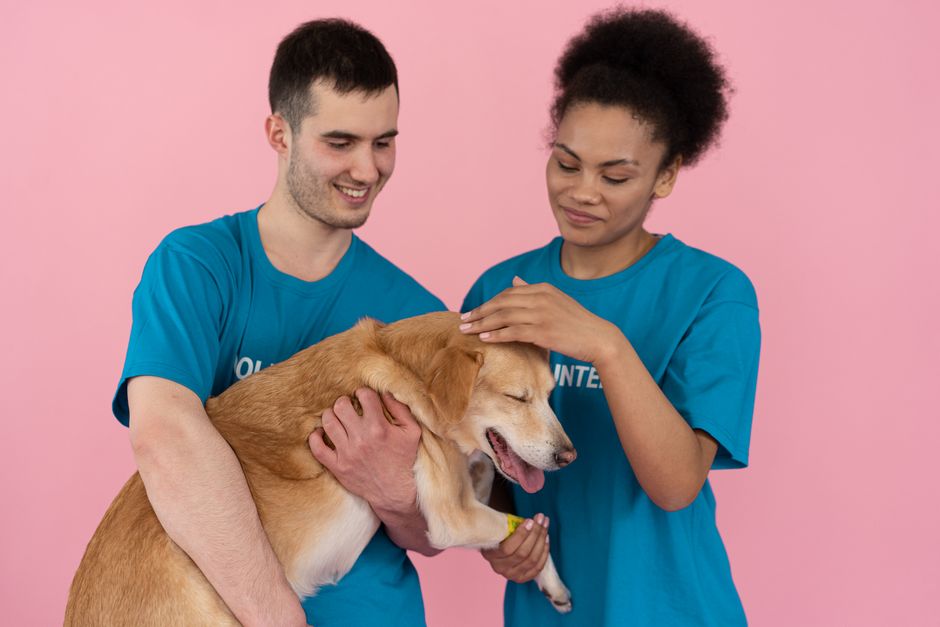
Shelters and rescues run on volunteer hours. Walking dogs, socializing cats, helping at adoption events, photographing animals for their listings, transporting pets to the vet, doing laundry, or lending administrative or social-media skills — all of it keeps an organization running. Contact a local group and ask what they need most; the answer is sometimes surprising and almost always welcome.
Support reputable organizations
If you'd like to give money, give it directly to an established, transparent organization — not through this site. Look for groups that publish their work, are clear about how funds are used, and have a track record in your community. Donated supplies (blankets, towels, food, cleaning products) are often just as needed as cash. Many shelters keep public "wish lists" that tell you exactly what helps.
Spread the word
Simple advocacy is free and powerful. Share adoptable animals from local groups, talk to friends about spaying and neutering, and help correct the myth that shelter animals are "damaged." Many are there through no fault of their own, fully recovered and ready to love. The more people understand that, the more animals find homes.